| Summary: Decorating a rental property is a different job from decorating your own home. The aim is not a showpiece, it is a finish that presents well at a viewing, survives a tenancy and can be touched up rather than redone. This guide covers what wears out first in a let property, how to specify so future repairs stay cheap, and how to turn a property around between tenancies without cutting the corners that decide how long the work lasts. |

Most decorating advice is written for people who live in the property they are decorating. Landlords are solving a different problem. The decoration has to appeal to a stranger who will spend ten minutes looking at it, survive several years of somebody else’s daily life, and then be repairable without repainting the whole house.
Why a rental is a different job from a family home
Three pressures shape every decision in a let property.
- Empty days cost money. A property that cannot be viewed or occupied earns nothing, so the work carries a deadline in a way home decorating rarely does.
- The decoration runs on a cycle. You are not choosing a finish for now, you are choosing how often you come back. A specification that lasts five years instead of two halves the number of times you pay for the same room.
- The condition at check-in becomes the baseline. Whatever state the decoration is in when a tenant moves in is the reference point at the end, so recording it matters as much as doing it well.
Where the law actually sits
There is no legal requirement in England specifying how often a landlord must redecorate. Redecoration between tenancies is a commercial decision, not a statutory duty. What the law does address is disrepair and whether a property is fit to live in, which is a separate matter from cosmetic wear. Damp and mould arising from an underlying defect sit in that category, and painting over them does not resolve it.
The wider direction of travel is worth knowing about. The Renters’ Rights Act 2025 is being implemented in phases, and the final phase extends a new Decent Homes Standard to the private rented sector. Decorative condition is not the same thing as decency, but property standards are moving towards being assessed more formally rather than less.
What wears out first, and what that tells you
Rental properties do not wear evenly, and knowing where the wear concentrates is what lets you spend sensibly instead of spreading the same budget across every room.
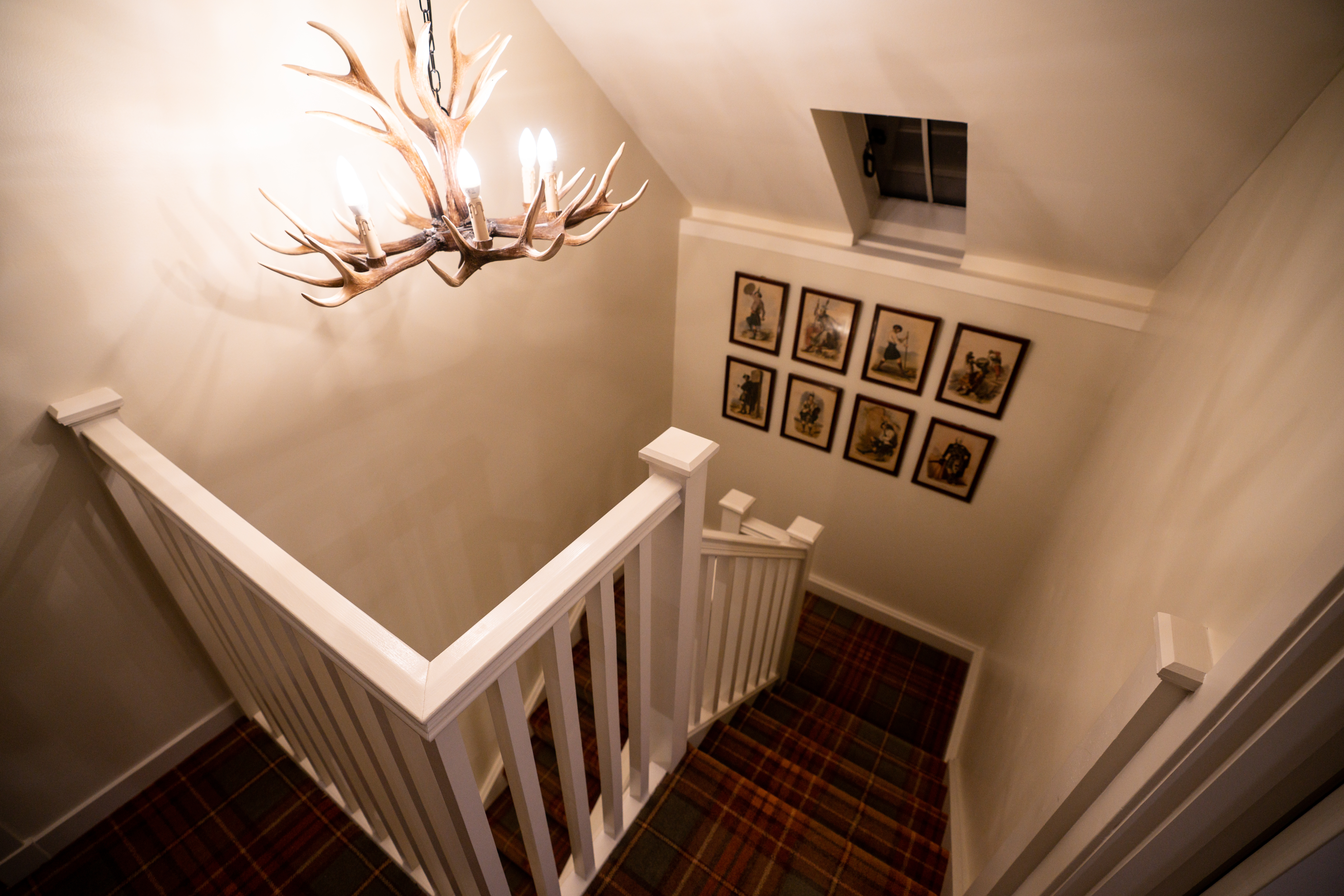
Circulation areas fail first. Hallways, staircases and landings take bags, furniture, hands on walls and everything carried in and out. They look tired long before the rest of the property does.
Kitchens and bathrooms are next. Steam, cooking residue and frequent cleaning all attack the paint film, so these rooms need a moisture-tolerant specification rather than standard wall paint.
Woodwork takes knocks rather than wear. Door frames, skirting and stair spindles chip instead of fading, so they need attention at different intervals from the walls around them.
Bedrooms are the least demanding. They usually outlast everything else, which means the most durable specification is often money that would work harder in a hallway.
So circulation and wet areas should set your cycle, and your specification should vary between them and the quieter rooms. For general room-by-room repainting intervals, our guide to how often you should repaint an interior sets those out in detail.
Specify once, then repeat it
This is the biggest saving available to a landlord, and it costs nothing to adopt.
If every property, and every room within a property, is decorated in a different colour and product, then every mark means repainting a whole wall or a whole room, because a patch will never match. Use the same colour, the same product and the same finish consistently and most turnarounds become a touch-up rather than a repaint. Across a portfolio the difference compounds quickly.
Neutral, light colours remain the sensible default, and the reasoning is commercial rather than aesthetic. They suit the widest range of tenants, they photograph well for listings, they need fewer coats when you recoat, and they are far easier to match years later. Strong or dark walls narrow your tenant pool and take more coats to cover when you go back to neutral.
Keep a written record. Product, colour reference, finish and the rooms it was used in, held with the property file. It sounds trivial until you are matching a hallway three years and one decorator later. A good decorator will hold your specification and work to it every time.
Preparation decides how long it lasts
If one thing is worth protecting in a rental decorating budget, it is preparation. Paint applied over a surface that has not been properly filled, sanded, cleaned and sealed fails early no matter how good the paint is, and it fails in ways that look like poor workmanship to the next tenant. Old tenant fixings need filling rather than smearing over, kitchen walls need degreasing or the paint will not bond, and water stains need sealing or they bleed back through weeks later. None of it is visible in the finished job, which is exactly why it is the first thing cut when a quote is squeezed.
New plaster from repair work needs particular care, as covered in our guide to preparing and painting new plaster, and woodwork needs a different routine from walls, set out in our guide to painting skirting boards and woodwork.
Damp and mould are not a decorating problem
Painting over mould is the most expensive false economy in rental decorating. It disappears for a few weeks, returns through the new paint, and leaves you having paid twice while the cause carries on doing damage. It can also turn a cosmetic issue into a disrepair issue.
Mould is a symptom, usually of condensation from poor ventilation or of penetrating or rising damp from a building defect. Identify the cause, fix it, treat the affected surfaces, and only then decorate to a specification suited to the room. Our guide to painting bathrooms and humid rooms covers the rooms where this comes up most.
Turning a void around without cutting corners
An empty property is the only time you get unrestricted access to every surface, so it is worth using properly rather than simply quickly.
- Complete repairs and any wet trades first, so nothing done later has to be disturbed.
- Prepare the whole property in one pass rather than room by room, which is faster and gives a more consistent result.
- Decorate ceilings, then walls, then woodwork last, so the final trim coat cuts cleanly against finished walls.
- Allow honest drying time between coats. This is usually the real constraint on a turnaround, not the labour.
Two things shorten a void more reliably than rushing the work. The first is booking the decorator against the notice date rather than waiting for the keys, because availability, not painting, is what most often adds days. The second is modern water-based systems, which recoat considerably faster than traditional solvent-based products and leave far less odour behind for the incoming tenant.
Common mistakes in rental decorating
| Mistake | What it costs you | Better approach |
| Cheapest possible paint everywhere | Fails inside a single tenancy in hallways and stairs, bringing the next repaint forward | Put the durable specification where the traffic is, and save elsewhere |
| A different scheme in every property | No touch-ups are possible, so every turnaround becomes a full repaint | One specification across the portfolio, recorded and repeated |
| Painting over mould | Returns within months, you pay twice, and the underlying defect worsens | Find and fix the cause, treat the surface, then decorate |
| Cutting preparation to save days | Early flaking, peeling and poor adhesion that looks like bad workmanship | Protect the preparation and flex elsewhere in the scope |
| No record of what was used | Guesswork colour matching and patches that never quite blend | Log product, colour and finish by room with the property file |
| Booking the decorator after check-out | Void days lost waiting on availability rather than on the work | Book against the notice date and survey before the tenant leaves |
How to brief a decorator for rental work
Rental work has requirements domestic work does not, and saying so upfront gets you a more useful quotation.
- Say it is a rental and give the relet deadline, so the programme is planned around it rather than discovered later.
- Ask for preparation to be itemised separately from the decorating, so you can see what you are buying.
- Agree the specification in writing, in enough detail to repeat it exactly next time.
- Confirm access and key handling for an empty property in advance.
- If you hold a portfolio, ask whether the decorator will keep your specification on file across properties.
The cheapest figure is not always the cheapest outcome. Our guide to what to expect from a decorating quote explains what a proper itemised quotation should contain.
When it is worth bringing in a professional
Plenty of landlords handle a single room touch-up between tenancies. It becomes worth commissioning a professional when the property is empty and needs doing at once, when a relet deadline cannot slip, when consistency across several properties matters, or when surfaces have been affected by damp.
Alan Cox Decorators works with letting agents and housing associations on void decoration and reactive maintenance, alongside private landlords across the East Midlands. We are members of the Painting and Decorating Association, fully insured, and our painters are DBS checked. You can see our full range of domestic decorating services on our website.
Arrange a quote for your rental property
Alan Cox Decorators prepares and decorates rental properties across Leicester, Loughborough, Coalville, Markfield, Nottingham, Derby and the wider East Midlands, working to a specification we hold on file so future touch-ups match. Call 01530 249799 (Monday to Friday, 8AM to 5PM) or request a free site survey. You will receive a formal, itemised quotation by email before any work begins.